
From a 90s website to a fully connected digital student journey.
Rebuilding how a sixth form college communicated, recruited and understood its students.
Where it started
This was my first salaried creative role. I was 23. The college had plenty going for it, great courses, brilliant students, a strong reputation locally. But the digital presence hadn’t kept pace with any of that. I saw the gap and got stuck in.
Over five years the role kept expanding. What started as a website rebuild became something much bigger: a creative and digital operation built largely from scratch, covering everything from brand and content to data systems and student communications.
The website and application system
The existing site was old, hard to update and not built to scale. Working largely independently in a traditional marketing team, I rebuilt it on WordPress and built a bespoke application system into it, letting students browse and select course combinations that fed directly into internal enrolment and funding data. Nobody asked me to do that. I just saw the opportunity.
Content and creative
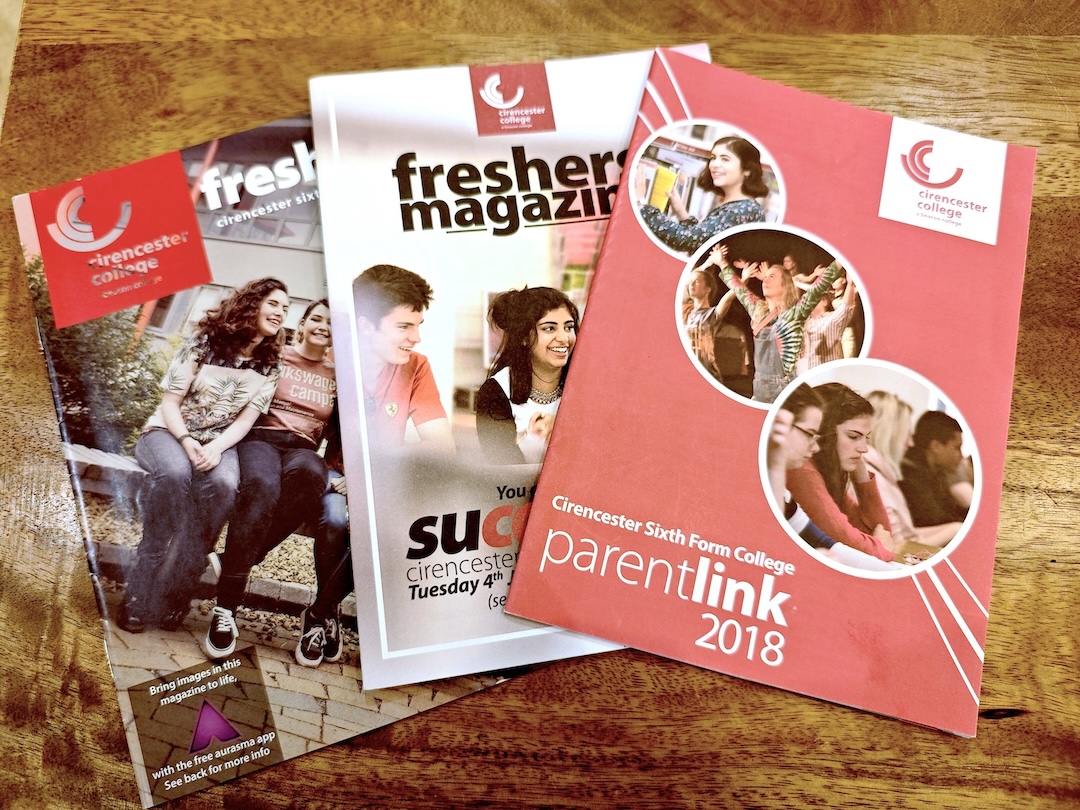
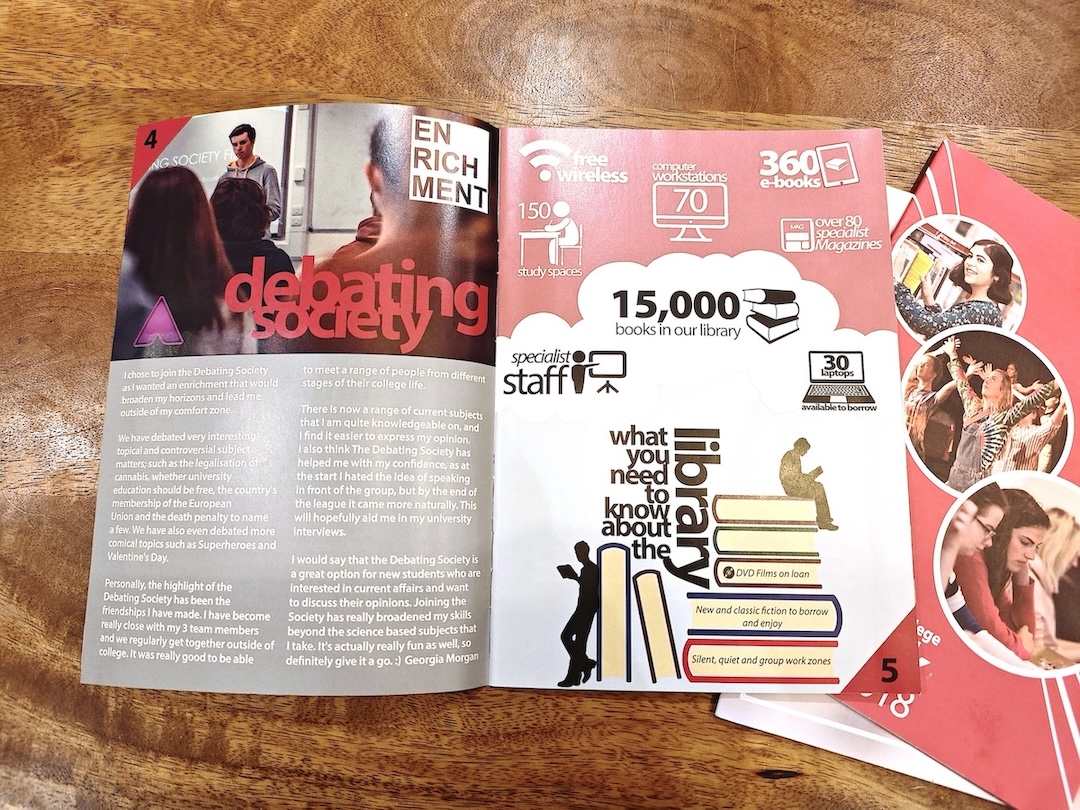
Alongside the website I built a content operation from nothing. Course and enrichment videos, results day coverage, vox pop student clips, zine-style freshers magazines, photography, and the website for their working theatre. By the time I left the team had a proper creative output where there hadn’t been one before.
Data, events and the student journey
Open days had always been measured by prospectuses handed out and cars in the car park. I built a proper sign-in system with barcodes and pre-registration, meaning we knew which courses each student was interested in and could follow up with tailored emails. That fed into a master tracking database covering the full student journey. When COVID hit I applied the same thinking to virtual open days, making real something that had only been a vague idea.
Before
After

What came out of it
The website is still running today. Not a refresh of what I built, the actual framework, the course basket, the application system, all still intact. But more than that, the college left the five years with a content operation, a data-informed approach to student communications and a digital presence that finally reflected the quality of what was happening inside the building.
For a first job, I’ll take that.